


Let’s be real—the old-school way of teaching, where a teacher stands at the front of the room and talks at thirty different kids for an hour, is a bit dated. Every student has a different brain. Some pick up math like it’s nothing but struggle to string a sentence together; others can analyze a novel in their sleep but get hives looking at a spreadsheet. This is where personalized learning comes in, and the coolest tool in the shed right now is educational gaming.
We aren’t talking about mindless clicking or those “chocolate-covered broccoli” games that are just quizzes in disguise. We’re talking about immersive, smart experiences that adapt to how a student thinks.
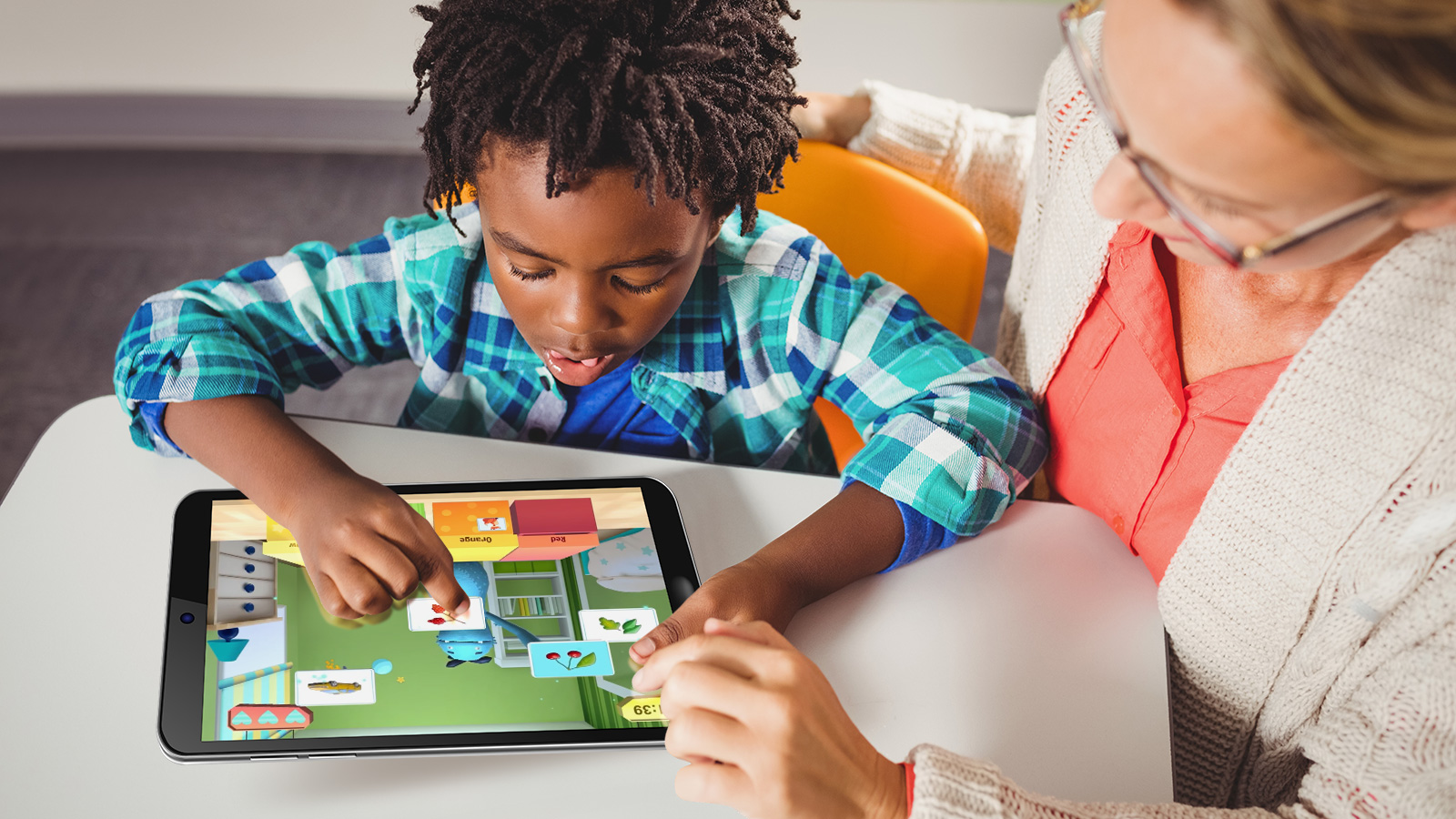
Why the “One Size Fits All” Model is Fading
In a traditional setup, the pace of the class is usually set for the “average” student. That means the fast learners are bored out of their minds, and the ones who need a bit more time are left in the dust. It’s frustrating for everyone involved. Personalized learning aims to fix this by tailoring the pace, the content, and the style of instruction to the individual.
Educational games are the perfect vehicle for this because they are inherently interactive. They don’t just deliver information; they require a response. Based on that response, the game can decide what happens next.
The Power of Adaptive Learning Loops
The secret sauce in modern educational games is something called the adaptive learning loop. Think of it like a smart thermostat for your brain. If the game detects that you’re crushing the multiplication levels, it doesn’t keep you there for another twenty minutes. It bumps you up to division or introduces word problems to keep your brain engaged.
Conversely, if you’re struggling, the game doesn’t just give you a “Game Over” screen. It might offer a hint, break the problem down into smaller steps, or pivot to a different teaching method. This constant feedback loop keeps students in the “Flow State”—that sweet spot where the challenge is just high enough to be interesting but not so high that it’s discouraging.
Gamification vs. Game-Based Learning
It’s easy to get these two mixed up. Gamification is when you add “game-like” elements to a non-game environment. Think of a leaderboard in a sales office or earning badges for finishing a reading assignment. It’s a great motivator, but it doesn’t change the core way information is learned.
Game-Based Learning (GBL), on the other hand, is when the game is the lesson. The mechanics of the game are designed to teach the concept. If you’re playing a game about physics, you aren’t just reading about gravity; you’re adjusting the mass of objects to see how they fall. This hands-on approach is what makes personalized learning so effective because it allows for experimentation without the fear of “failing” a paper-and-pencil test.
Leveling Up Student Engagement
Let’s face it: kids (and adults!) love games. When you turn a complex subject like coding or history into a quest, the “work” feels like play. This is huge for personalized learning because it drives intrinsic motivation. Instead of doing a task because a teacher told them to, the student does it because they want to see what happens next in the story or unlock a new ability.
When a student is engaged, they spend more time on task. And because the game is personalized, that time is spent exactly where they need it most. They aren’t wasting time on stuff they already know, which makes the whole learning process much more efficient.
Data-Driven Insights for Teachers
One of the biggest misconceptions about using games in the classroom is that the teacher just sits back and relaxes. In reality, it’s the opposite. These games act as massive data-collection tools.
Every click, every wrong answer, and the time spent on a specific puzzle is tracked. Teachers can look at a dashboard and see instantly that “Sarah is struggling with fractions” or “The whole class is confused by the American Revolution.” This allows the teacher to step in with targeted, human intervention right when it’s needed. The game handles the drill-and-practice, while the teacher handles the complex mentorship.
Creating a Safe Space for Failure
In a typical classroom, a wrong answer can feel embarrassing. It’s a red mark on a page or a silent moment after being called on. In a game, failure is just part of the process. You “die,” you respawn, and you try a different strategy.
This builds resilience. Personalized games allow students to fail privately and frequently, which is actually how we learn best. By the time they get to a formal assessment, they’ve already worked through their mistakes in a low-stakes environment.
Accessibility and Inclusion
Educational games can be a lifesaver for students with different needs. For a student with ADHD, the fast-paced, high-feedback nature of a game can help maintain focus better than a long lecture. For students with dyslexia, games that use audio cues or visual storytelling can help them grasp concepts that are usually buried in walls of text.
Personalization means the game can be adjusted—larger fonts, different color contrasts, or slower reaction times—ensuring that the “personalized” part of personalized learning applies to everyone, regardless of their physical or cognitive requirements.
The Role of Narrative and Storytelling
We’ve been telling stories since we lived in caves, and our brains are hardwired to remember them. Many personalized learning games use a narrative structure to tie concepts together. Instead of learning about chemistry in a vacuum, you’re an alchemist trying to save a kingdom. This context makes the information “sticky.” When a student feels like the protagonist of their own learning journey, they take ownership of their progress.
Conclusion
Educational games aren’t just a “break” from real learning; they are becoming the backbone of a more effective, empathetic, and personalized education system. By meeting students where they are, challenging them at the right level, and making the process genuinely enjoyable, we can move away from the assembly-line model of schooling. The goal isn’t to replace teachers, but to give them—and their students—the high-tech tools needed to make sure no one gets left behind. As technology continues to evolve, the line between “playing” and “studying” will only continue to blur, and honestly? That’s a win for everyone.
—
5 Unique FAQs
How do I know if an educational game is actually teaching something?
Look for “learning outcomes” provided by the developer and check if the game mechanics actually relate to the subject matter. If the game is just a platformer where you answer a math question to jump higher, it’s less effective than a game where you have to use math to build a bridge that doesn’t collapse.
Can educational games be too distracting for students?
They can be, especially if the “game” part outweighs the “learning” part. The best personalized games find a balance where the entertainment serves the education. Teachers and parents should monitor screen time and ensure the student can explain what they learned after a session.
Are these games expensive for schools to implement?
While some high-end platforms require subscriptions, there are thousands of high-quality, free, or low-cost educational games available. Many schools find that the investment pays off by reducing the need for traditional textbooks and providing better data on student performance.
Is screen time a concern with game-based learning?
It’s a valid concern. Most experts recommend a “blended learning” approach. This means using games for 20-30 minutes to reinforce concepts, followed by hands-on activities, group discussions, or physical movement. It’s about quality of screen time, not just quantity.
Do educational games work for older students and adults?
Absolutely! The principles of engagement, feedback, and personalization apply to all ages. In fact, many corporate training programs and medical schools now use sophisticated simulations and “serious games” to train professionals in complex tasks.
—