


Let’s be real for a second: sitting a child down with a dry, black-and-white reading passage and a list of multiple-choice questions is a one-way ticket to Boredom Town. We’ve all been there. You’re reading the words, but your brain is actually thinking about what’s for lunch or that one level in a video game you can’t beat. For kids, this struggle is even more intense because their “focus muscles” are still developing.
That is exactly where educational games come into play. We’re not just talking about mindless clicking; we’re talking about strategic, immersive experiences that turn “learning to read” into “reading to win.” When a child is playing a game, their affective filter—that’s just a fancy way of saying their stress level—drops. When they aren’t afraid of making a mistake, they actually process information better.
How Games Actually Improve Reading Skills
It’s easy to think of games as a “break” from learning, but the science says otherwise. Reading comprehension isn’t just about knowing what the words mean; it’s about synthesis. It’s about taking Clue A and Clue B and realizing that the character is actually feeling sad, even if the text doesn’t explicitly say so.
Games naturally require players to follow instructions, understand quest lines, and decode lore. If you don’t read the dialogue in an RPG (Role-Playing Game), you don’t know where the hidden key is. That is “functional literacy” at its finest. You aren’t reading because a teacher told you to; you’re reading because you have a problem to solve.
The Power of Narrative-Driven Gameplay
One of the biggest hurdles in reading comprehension is engagement. If a kid doesn’t care about the story, they won’t care about the “main idea” or the “author’s intent.” Narrative-driven games change the stakes. In these games, the player is the protagonist.
When a child chooses a dialogue option that changes the outcome of a story, they are practicing inference and prediction. They are constantly asking themselves, “If I say this, what will happen next?” That is the exact same skill used to predict the ending of a mystery novel or understand a character’s motivations in a classic play.
Interactive Fiction and Modern “Choose Your Own Adventure”
Remember those “Choose Your Own Adventure” books? They’ve gone digital, and they are incredible for comprehension. Apps and websites that host interactive fiction require the reader to be active participants. Unlike a movie where you can zone out, interactive fiction stops and waits for you.
Digital Scavenger Hunts for Context Clues
Context clues are the “detective work” of reading. Educational games often use scavenger hunt mechanics where a player must read descriptions of items to find them in a crowded room. This forces the brain to look for keywords and understand nuances.
For example, if a game tells a player to find “something crimson used for writing,” the player has to know that “crimson” is a shade of red and then scan the environment for a red pen or quill. This builds vocabulary and scanning skills simultaneously, making the transition to academic textbooks much smoother.
Gamifying Vocabulary Without the Flashcards
We need to retire the idea that the only way to learn new words is through repetitive drills. Games like “Wordscapes” or “Bookworm” (and their many modern iterations) help with word recognition, but “Context Games” go deeper.
In many adventure games, players encounter “Tier 2” vocabulary—words like prosper, merchant, objective, or perilous. Because these words are tied to an action or a visual cue in the game, the brain anchors the definition much more effectively than it would from a list on a whiteboard.
Building Stamina Through Long-Form Gaming
One thing educators worry about with the “digital age” is a lack of reading stamina. People assume kids only want short snippets of text. However, have you ever seen a kid dive into the “codex” or “bestiary” of their favorite game? They will read pages and pages of lore about dragons or space aliens because they are invested.
By introducing educational games that have deep lore, we are secretly building the stamina required to read long-form essays and novels. We are teaching them that if they put in the effort to read the “long version,” the reward (the knowledge or the “win”) is worth it.
Balancing Screen Time with High-Quality Content
Now, I know what you’re thinking: “I don’t want my kid staring at a screen for six hours.” Fair point. The goal isn’t to replace books with screens; it’s to use screens as a bridge. A child who gains confidence in their reading ability through a game is much more likely to pick up a physical book.
The trick is choosing games that are “education-first” or “narrative-heavy.” Look for titles that emphasize dialogue, require reading to progress, and offer different difficulty levels for text complexity.
The Role of Feedback in Game-Based Learning
In a classroom setting, a student might hand in a worksheet and wait two days to get it back with a grade. By then, they’ve forgotten why they chose the “wrong” answer. Games provide instant feedback.
If a player misinterprets a prompt and fails a mission, they know immediately. They can go back, re-read the prompt, and try again. This “low-stakes failure” is essential for building a growth mindset. It turns reading from a “test” into a “puzzle” that can be solved with a bit more attention to detail.
Transitioning from Games to the Classroom
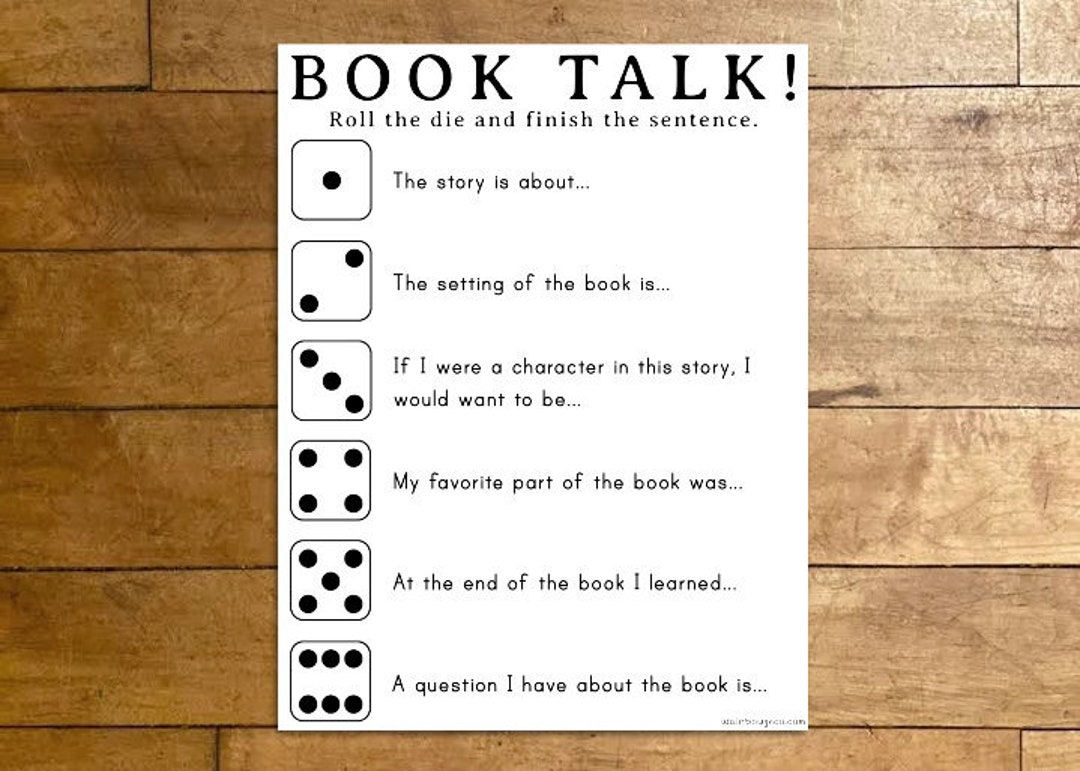
So, how do we take these “gamer skills” and apply them to schoolwork? It’s all about the post-game discussion. Parents and teachers can ask questions like:
These questions bridge the gap between “just playing” and “active comprehension.” You’re essentially conducting a book club discussion, but the “book” just happens to be on a Nintendo Switch or an iPad.
Conclusion
At the end of the day, reading comprehension is about making meaning from symbols. Whether those symbols are on a dusty page or a glowing screen doesn’t change the underlying cognitive process. By embracing educational games, we meet kids where they are. We take the “chore” out of reading and replace it with a sense of agency and adventure. When a child realizes that reading is the key to unlocking new worlds—literally and figuratively—you won’t have to beg them to practice anymore. They’ll be too busy trying to reach the next level.
—
FAQs
Can games really help children with dyslexia improve their reading?
Yes, many educational games use specialized fonts (like OpenDyslexic) and offer audio-syncing where the text is highlighted as it is read aloud. This multi-sensory approach helps children with dyslexia associate sounds with visual letters more effectively than traditional methods.
What age is best to start using games for reading comprehension?
While there are games for toddlers focusing on phonics, reading comprehension games usually provide the most benefit for children ages 6 and up. This is when the shift happens from “learning to read” (decoding) to “reading to learn” (understanding meaning).
Are free online reading games as good as paid apps?
There are excellent free resources like PBS Kids or Starfall that offer great value. However, paid apps often provide a more “ad-free” experience and more detailed progress tracking for parents, which can be helpful for identifying specific areas where a child might be struggling.
Do these games help with standardized testing?
Indirectly, yes. Standardized tests require students to stay focused on long passages and draw inferences. Games build the mental “stamina” and critical thinking skills necessary to navigate those tests without the burnout that usually comes from traditional prep.
How much “gaming time” is recommended for literacy benefits?
Consistency is better than intensity. About 20 to 30 minutes of high-quality, text-heavy gameplay 3-4 times a week is often enough to see a noticeable improvement in a child’s confidence and vocabulary without overdoing the screen time.