


Let’s be real: sitting in a classroom listening to a lecture about carbon footprints can sometimes feel a bit… dry. We all know the planet is in a tough spot, but staring at a chalkboard doesn’t always spark the “let’s save the world” energy we need. That is exactly where educational games come in. They take those heavy, complex topics like climate change, biodiversity, and waste management and turn them into something interactive, competitive, and—dare I say—fun.
If you’re looking to dive into environmental education (EE), games aren’t just a “break” from learning; they are the learning. By putting players in the driver’s seat of a virtual city or a digital ecosystem, these games allow for a level of engagement that textbooks simply can’t match.
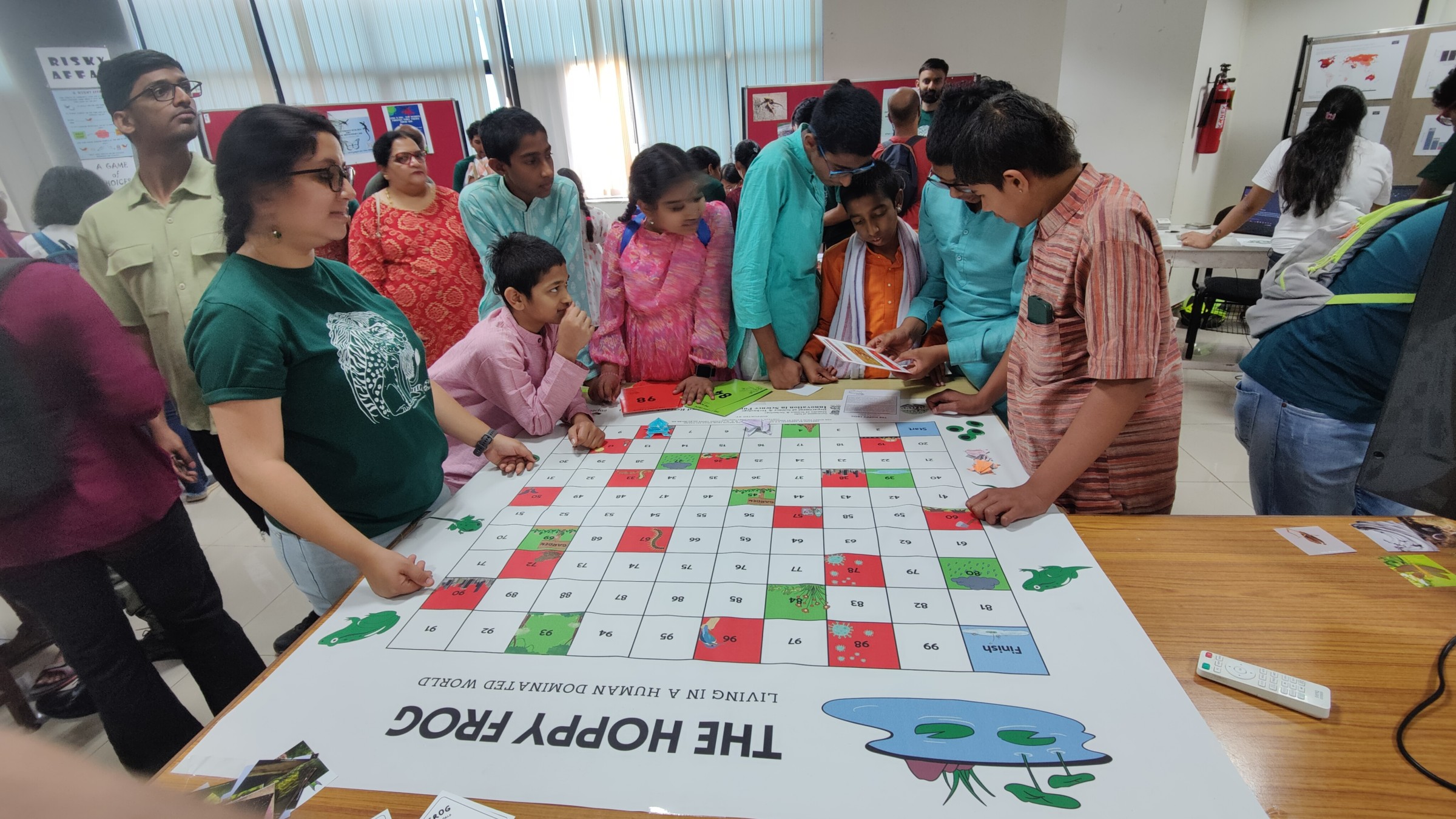
The Power of Play in Learning
Why do games work so well for something as serious as the environment? It’s all about the “Flow State.” When you’re gaming, you’re actively solving problems rather than passively receiving information. In an environmental context, this means you aren’t just reading about a drought; you’re managing a limited water supply for a virtual town. If you fail, the crops wither. That immediate feedback loop creates a deep emotional and cognitive connection to the subject matter.
Games also provide a safe space to fail. In the real world, messing up an ecosystem has devastating consequences. In a simulation, you can try out a radical new urban planning strategy, see it fail, analyze why, and try again. This “trial and error” approach is the bedrock of scientific thinking.
Simulation Games: Building Green Cities
One of the most popular genres in environmental education is the city-builder or management sim. Games like SimCity BuildIt (with its various “Green City” updates) or the classic Fate of the World force players to make hard choices. Do you invest in cheap coal to grow your economy quickly, or do you take the slow, expensive route toward solar and wind power?
These games teach “Systems Thinking.” They show how one decision—like building a highway—affects air quality, public health, and even the local bird population. Understanding that everything is connected is the first step toward becoming an environmentally conscious citizen.
Gamifying the Great Outdoors
Environmental education isn’t restricted to a computer screen. There’s a whole world of “Alternate Reality Games” (ARGs) and mobile apps that get people outside. Think Pokémon GO, but for plants and animals. Apps like iNaturalist or Seek turn your backyard into a scavenger hunt.
When you use an app to identify a rare butterfly or a specific type of oak tree, you’re contributing to citizen science. You’re no longer just a spectator; you’re a data collector. This gamification of the natural world builds “place-based” literacy, helping people realize that the environment isn’t something far away in the rainforest—it’s right outside their front door.
Role-Playing and Empathy
Environmental issues are often caught up in human conflict. How do you balance the needs of a logging company with the protection of an endangered owl? This is where Role-Playing Games (RPGs) shine. Whether it’s a tabletop game or a digital quest, stepping into the shoes of different stakeholders—farmers, politicians, activists, and CEOs—helps students develop empathy.
By navigating these social complexities, players learn that environmental solutions aren’t just about “better tech.” They’re about negotiation, policy, and understanding different human perspectives. This “human element” is often what’s missing from traditional science education.
Breaking Down Complex Science
Let’s talk about the “invisible” stuff—like CO2 molecules or ocean acidification. These concepts can be incredibly hard to visualize. However, games can shrink the player down to the size of an atom or speed up time by centuries.
Digital games can visualize the invisible. You can watch a digital ocean turn acidic in seconds as you dial up a carbon slider. You can see the ice caps melt in real-time based on your choices. This visual storytelling makes abstract data feel tangible and urgent.
Why Teachers and Parents are Hopping on Board
It’s not just kids who love this stuff. Educators are realizing that games are a “force multiplier” for their lesson plans. Instead of spending three days explaining the water cycle, a teacher can have students play a 20-minute game that demonstrates it. This frees up classroom time for deeper discussions and hands-on projects.
Furthermore, games are naturally inclusive. They cater to different learning styles—visual, kinesthetic, and logical. A student who struggles with an essay might be the best “Sustainability Manager” in a simulation game, giving them a much-needed confidence boost in a STEM subject.
The Future: VR and AR in Environmental Ed
The next frontier is Virtual Reality (VR). Imagine putting on a headset and standing on a coral reef. As you watch the vibrant colors turn to a ghostly white through coral bleaching, the impact is visceral. It moves from an intellectual fact to a lived experience.
Augmented Reality (AR) can overlay data onto the real world. Imagine walking through your neighborhood and seeing a digital overlay of where the sea level might be in 50 years if current trends continue. These technologies make the future feel “present,” which is the ultimate motivator for environmental action.
—
Conclusion
At the end of the day, environmental education is about more than just facts; it’s about fostering a sense of agency. We want people to feel like they can make a difference, rather than feeling overwhelmed by the scale of the crisis. Educational games bridge that gap perfectly. They take the “doom and gloom” out of the conversation and replace it with strategy, curiosity, and a sense of accomplishment. By turning the planet’s greatest challenges into engaging puzzles, we aren’t just teaching kids about the environment—we’re training the next generation of problem-solvers to save it.
—
Unique FAQs
Can games actually change someone’s real-world behavior?
Yes! Studies in environmental psychology show that “pro-social” games can increase real-world recycling habits and energy-saving behaviors. The key is the “bridge” between the game and reality; when a game rewards a player for a green choice, it reinforces that neural pathway, making them more likely to repeat the action in real life.
Are there environmental games for adults, or are they all for kids?
There are plenty of “serious games” designed specifically for adults and professionals. Games like World Without Oil or Eco (on Steam) feature complex economies and high-level resource management that are challenging even for experts. Many corporations even use these simulations for sustainability training.
Do these games require expensive hardware or consoles?
Not at all. While high-end VR is cool, many of the best environmental games are browser-based or available as free mobile apps. Organizations like NASA and the UN have released various free-to-play games that run on basic smartphones or older school computers.
Is “gamification” just a fancy word for making things easy?
Actually, it’s the opposite. Gamification is about making things engagingly difficult. Good environmental games don’t hand you the answers; they force you to struggle with limited resources and tough trade-offs. The “fun” comes from overcoming that difficulty, not from it being easy.
Can I use these games for homeschooling or remote learning?
Absolutely. Many environmental games come with “Teacher Modes” or lesson plans. They are perfect for remote learning because they are self-paced and provide instant data to the parent or teacher on how the student is progressing and what concepts they might be struggling with.