


Let’s be honest: if you tell a seven-year-old they’re about to sit through a forty-minute lecture on long division, you’re probably going to get a blank stare—or worse, a meltdown. But tell that same kid they’re going on a “Math Quest” to defeat a digital dragon by solving equations? Suddenly, they’re the most focused student on the planet.
Educational games have come a long way since the days of pixelated green screens. Today, they are essential tools for building engagement and helping elementary school students grasp complex concepts through play. By blending curriculum with competition and creativity, we can turn the “boredom” of the classroom into an adventure.
—
The Magic of Gamified Learning
At its core, gamification is about taking the elements we love in games—points, levels, rewards, and challenges—and applying them to learning. For elementary students, whose brains are wired for exploration and immediate feedback, this is a game-changer (pun intended).
When a student plays a game, they aren’t afraid to fail. In a traditional test, a wrong answer feels like a dead end. In a game, a “Game Over” screen is just an invitation to try again. This builds resilience and persistence, two traits that are just as important as knowing their ABCs.
Why Teachers and Parents Are All In
It’s not just about keeping kids quiet for an hour. Educational games provide data. Many modern platforms allow parents and teachers to see exactly where a child is struggling. If a student is breezing through addition but hitting a wall with subtraction, the game can adapt in real-time to provide more practice in that specific area. This “adaptive learning” ensures that no child is left behind or bored by content that’s too easy.
—
Top Math Games That Actually Work
Prodigy Math
Prodigy is essentially the “Pokemon” of the math world. Students create an avatar, explore a fantasy world, and engage in “battles” where the spells are cast by solving math problems. The best part? The game aligns with state standards, so while they think they’re just leveling up their wizard, they’re actually mastering the Common Core curriculum.
Math Blaster
A classic that has evolved with the times, Math Blaster takes kids into outer space. It’s fast-paced and requires quick thinking, making it perfect for building “math fluency”—that ability to recall basic facts (like $5 times 5 = 25$) without having to count on their fingers.
—
Levelling Up Literacy and Language Arts
Reading and writing can be intimidating for early learners. Games help lower that barrier by making storytelling interactive.
Teach Your Monster to Read
This is a phenomenal, award-winning game that covers everything from letters and sounds to reading full sentences. The narrative hook—helping a cute monster navigate a strange land—keeps kids coming back. It’s particularly effective for Kindergarten and First Grade students who are just beginning their phonics journey.
ABCya
ABCya offers a massive variety of games categorized by grade level. From “Word Clouds” to “Parts of Speech Quest,” it covers the spectrum of English Language Arts (ELA). It’s a great “one-stop shop” for teachers looking to supplement their weekly spelling or grammar lessons.
—
Science and Social Studies Explorations
These subjects are all about curiosity, and games provide a safe space for students to experiment with “What if?”
Mystery Science
While not a “game” in the traditional arcade sense, Mystery Science uses interactive digital mysteries to teach scientific concepts. Students watch a video, pause to discuss, and then participate in a digital or hands-on activity to solve the mystery. It’s highly engaging and turns students into “detectives.”
Minecraft: Education Edition
You can’t talk about games without mentioning Minecraft. The Education Edition allows students to explore historical sites, build models of animal cells, or even learn the basics of coding. It’s the ultimate “sandbox” for creativity, allowing kids to visualize concepts that are usually stuck in a textbook.
—
The Role of Physical Games in the Classroom
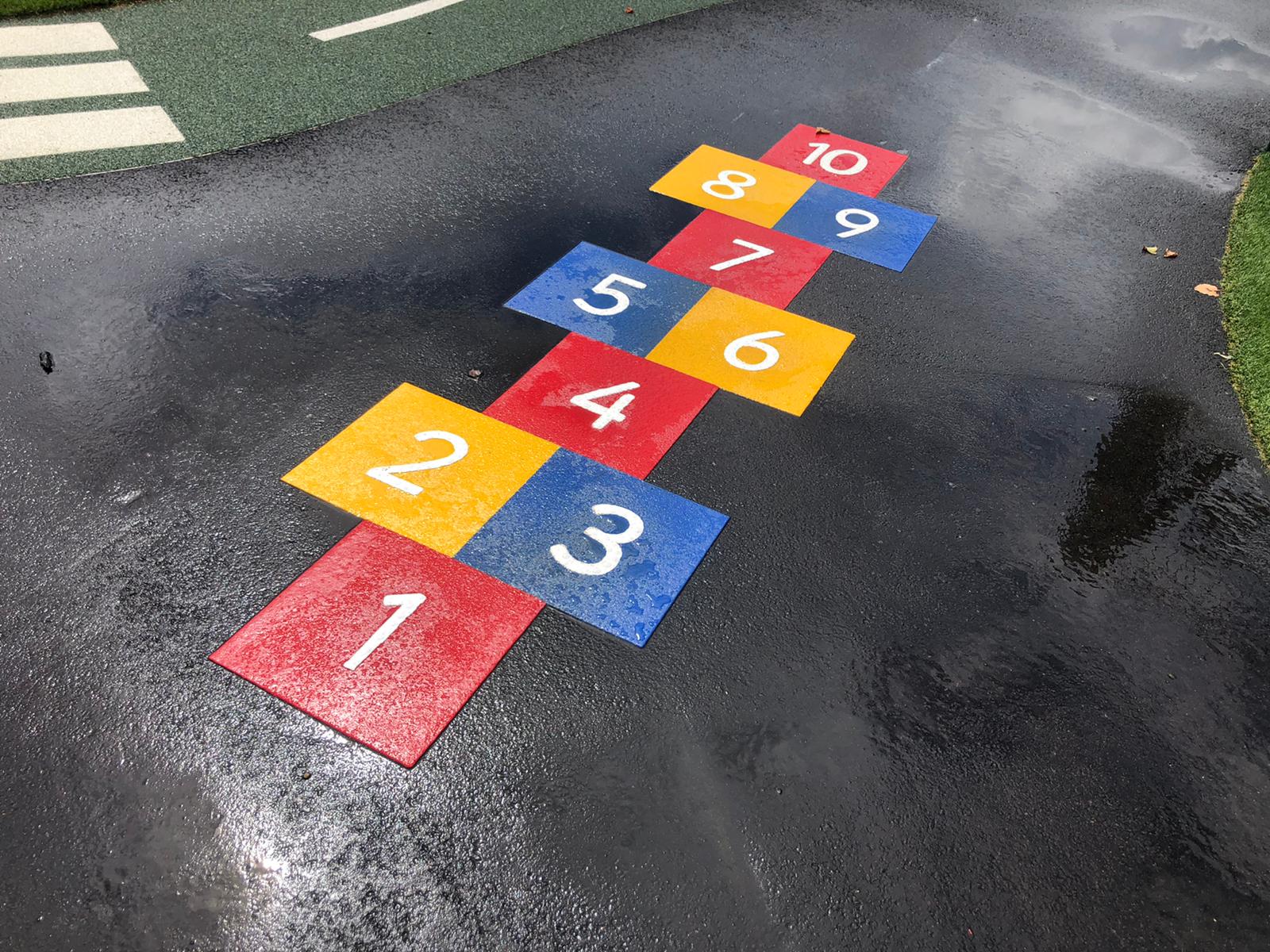
Let’s not forget that “games” don’t always need a screen. Physical movement is crucial for elementary-aged children.
Scavenger Hunts for Facts
Teachers can hide “clues” around the room that require solving a problem to move to the next station. This incorporates “kinesthetic learning,” helping kids burn off energy while they process information.
Board Game Classics with a Twist
Even classics like Scrabble Junior or Yahtzee can be used to teach vocabulary and probability. Taking a break from digital devices to interact face-to-face helps develop social-emotional skills like turn-taking and sportsmanship.
—
Finding the Right Balance
While educational games are powerful, they aren’t a total replacement for traditional teaching. The “sweet spot” is using these games as a supplement.
Screen Time Sensitivity
It’s important to monitor how much time kids spend on devices. Experts suggest that educational content should be balanced with plenty of outdoor play and “unplugged” time. Most teachers recommend 20–30 minutes of digital gameplay per session to keep it effective without causing “brain fry.”
Choosing Quality Over Quantity
Not every game with “educational” in the title is actually good. Parents should look for games that have a high “learning-to-fun ratio.” If a child spends ten minutes customizing an outfit and only thirty seconds answering a question, the educational value is pretty low.
—
How to Introduce Games at Home
If you’re a parent looking to start, don’t just hand over the iPad and walk away.
Play Together
Sit down and let your child teach you how to play. This boosts their confidence and allows you to see how they approach problem-solving. Ask questions like, “Why did you choose that answer?” or “What’s your strategy for the next level?”
Set Learning Goals
Make it a part of the routine. “After 15 minutes of reading practice on the app, we can go to the park.” This frames the game as a fun activity rather than a chore.
—
Conclusion
Educational games have transformed the way we approach elementary education. By tapping into a child’s natural desire to play, we can make learning feel less like a burden and more like a reward. Whether it’s through a high-tech app like Minecraft or a simple classroom scavenger hunt, these tools help build the foundational skills students need for a lifetime of success. When we meet kids where they are—which is usually in front of a game—we open up a world of possibilities that a standard worksheet just can’t match.
—
Unique FAQs
Can educational games replace traditional homework?
While they shouldn’t replace it entirely, many teachers are swapping out boring worksheets for “digital assignments” on platforms like Prodigy or Khan Academy Kids. It covers the same material but keeps the student much more engaged.
Are free educational games as good as paid ones?
Often, yes! Sites like PBS Kids and ABCya offer excellent free content. However, paid versions usually remove ads and offer more in-depth progress tracking for parents.
Do these games work for students with ADHD?
Many parents find that the fast-paced, high-reward nature of educational games helps children with ADHD stay focused on the task at hand much longer than traditional paper-and-pencil tasks.
What is the best age to start educational gaming?
Most experts suggest starting around age 4 or 5 with simple phonics and counting games. At this age, the focus should be on “learning to navigate” the interface and basic recognition.
Can games help with social-emotional learning (SEL)?
Absolutely. Multiplayer educational games teach kids how to collaborate, communicate, and handle the frustration of losing in a controlled, safe environment.
network mediajember.com