


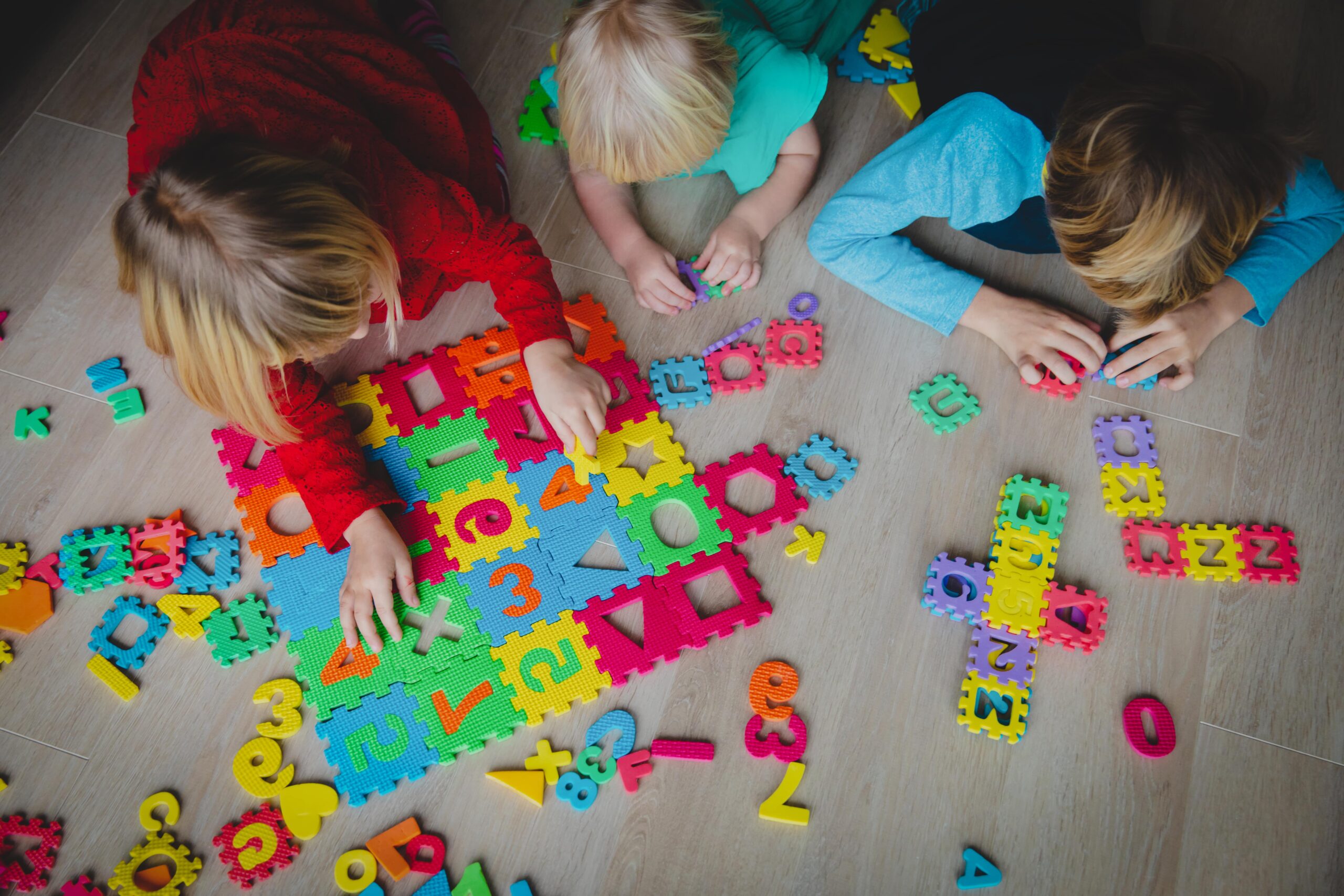
Let’s be honest: the word “educational” usually makes kids (and many adults) want to run for the hills. It smells like dusty textbooks and timed math drills. But there is a massive shift happening in how we think about brainpower. We’re finally realizing that the brain doesn’t just learn while playing—it learns because it’s playing.
The concept of “Learning through Play” isn’t just a trendy buzzword for preschool teachers; it’s a biological cheat code. When you’re engaged in a game, your brain is flooded with dopamine, which helps with memory retention and focus. Whether it’s a sandbox game like Minecraft or a fast-paced card game, the “boredom barrier” drops, and the learning actually sticks.
—
The Psychology of Why Play Actually Works
If you’ve ever seen a kid spend three hours trying to beat a difficult boss in a video game, you’ve seen the ultimate form of persistence. In a classroom, that same kid might give up on a word problem in thirty seconds. Why the difference? It’s all about the “fail state.”
In traditional education, failing is bad. It means a red mark on your paper. In games, failing is just data. You died? Cool, try a different jump next time. This creates a “growth mindset” where the learner isn’t afraid to experiment. They are constantly testing hypotheses, solving problems, and iterating—which is exactly what scientists and engineers do every day.
—
Different Types of Educational Games for Different Minds
Not all games are created equal. Depending on what you’re trying to learn, the “genre” of play matters. We’ve moved way beyond simple flashcard apps. Today, educational games are immersive, social, and genuinely fun.
Building and Sandbox Games
Games like Minecraft or Roblox are essentially digital LEGOs on steroids. They teach spatial awareness, resource management, and even basic logic or coding. When a player has to calculate how many blocks they need to build a roof or how to automate a farm using “Redstone,” they are doing high-level geometry and engineering without even realizing it.
Strategy and Resource Management
Think of games like Civilization or even simpler board games like Catan. These require players to think long-term. You have to manage a budget, negotiate with others, and plan for future “disasters.” This sharpens executive function and critical thinking—skills that are notoriously hard to teach through a lecture.
Narrative and Role-Playing Games (RPGs)
RPGs are incredible for building empathy and literacy. When a player has to read through dialogue to make a choice that affects the story, their reading comprehension sky-rockets. They aren’t just reading words; they are interpreting context and weighing moral consequences.
—
Physical vs. Digital: Finding the Right Balance
There’s a lot of talk about “screen time,” and while it’s a valid concern, the medium matters less than the engagement level. Physical games—like scavenger hunts, building blocks, or tag—develop gross motor skills and physical social cues. Digital games, on the other hand, can offer complex simulations that aren’t possible in the living room.
The sweet spot is usually a mix. Using a tablet for a coding game in the morning and then hitting the backyard for a physics-based game (like building a birdhouse) keeps the brain firing on all cylinders.
—
How to Choose the Best Games for Your Learner
With thousands of “educational” apps in the store, 90% of them are just “chocolate-covered broccoli.” They are boring drills disguised with bright colors. To find the winners, look for these three things:
Active Decision Making
If the game just asks the player to click the right answer, it’s not really a game; it’s a quiz. A real game requires the player to make choices that have consequences. They should be able to “play it their way.”
Incremental Difficulty
A good educational game follows the “Goldilocks Principle”—not too easy (which leads to boredom) and not too hard (which leads to frustration). It should keep the player in a state of “Flow,” where the challenge perfectly matches their rising skill level.
High Engagement and Feedback
The game should provide instant feedback. When a player does something right, there should be a reward (points, progress, a cool animation). When they get it wrong, the game should show them why so they can adjust their strategy immediately.
—
The Role of Parents and Educators in Play
You can’t just hand a kid a game and walk away if you want the best results. The “magic” happens when adults get involved. This doesn’t mean hovering; it means “co-playing.”
Ask Open-Ended Questions
Instead of asking “Did you win?”, try asking “What was the hardest part of that level?” or “How did you figure out that puzzle?” This forces the learner to verbalize their thought process, which reinforces the neural pathways they just built.
Connect Game Concepts to Real Life
If a child is playing a game about managing a zoo, talk about real-life animals or biology during dinner. If they are playing a game with currency, use it to explain how interest or saving works in the real world. This bridge between the “game world” and the “real world” is where deep learning lives.
—
Breaking the Stigma Around “Gaming”
We need to stop viewing gaming as a “waste of time.” In a world that is becoming increasingly digital, the ability to navigate complex interfaces, collaborate with teammates online, and solve digital puzzles is a vital literacy.
Games are the textbooks of the 21st century. They are interactive, adaptive, and personalized. While a book provides the same information to every reader, a game adapts to the player’s pace. It waits for them to catch up or speeds up when they are bored. That is the definition of effective education.
—
Conclusion: The Future of Learning is Fun
At the end of the day, the goal of education isn’t just to memorize facts—it’s to learn how to learn. Educational games provide a safe, high-stakes-feeling environment where curiosity is rewarded and failure is just a stepping stone. By embracing play, we aren’t “dumbing down” education; we are powering it up. When a learner is having fun, their heart is into it, and when their heart is into it, their brain follows.
—
Frequently Asked Questions
Can video games actually improve IQ or cognitive skills?
Yes, many studies suggest that strategic and action games can improve spatial awareness, multitasking, and problem-solving skills. The key is the complexity of the game; the more a player has to think and adapt, the more “exercise” the brain gets.
What is the best age to start using educational games?
Children can start with simple tactile games (like blocks or basic sorting) as toddlers. For digital games, most experts suggest waiting until age 3 or 4, starting with high-quality, ad-free content that focuses on exploration rather than high-speed competition.
How do I know if a game is truly “educational” or just a distraction?
Look for “Active Learning.” If the child is passively watching a screen, it’s just entertainment. If they are making decisions, solving puzzles, and trying different strategies to succeed, it’s educational.
Are board games better than video games for learning?
Neither is inherently “better”—they just teach different things. Board games are fantastic for social skills, turn-taking, and physical logic. Video games are excellent for fast processing, complex systems, and visual-spatial tasks. A healthy “diet” includes both.
How much time should a child spend on educational games?
Quality matters more than quantity, but balance is still key. Most pediatricians recommend limiting total sedentary screen time, so try to balance 30–60 minutes of digital play with plenty of physical movement and “unplugged” creative time.