


Let’s be honest: traditional financial advice can be incredibly boring. If you open a standard textbook on macroeconomics or sit through a dry lecture on compound interest, your eyes are probably going to glaze over within ten minutes. We’ve all been there. But here’s the thing—understanding money is arguably the most important “boss level” you need to beat in real life.
The good news? Learning how to manage your cash doesn’t have to feel like a chore. Enter the world of educational games for financial literacy. We aren’t just talking about the games you played in third grade to learn how to count change. We’re talking about immersive, strategic, and sometimes high-stakes digital experiences that teach you how to build wealth, manage debt, and navigate the complex world of investing without risking a single cent of your actual paycheck.
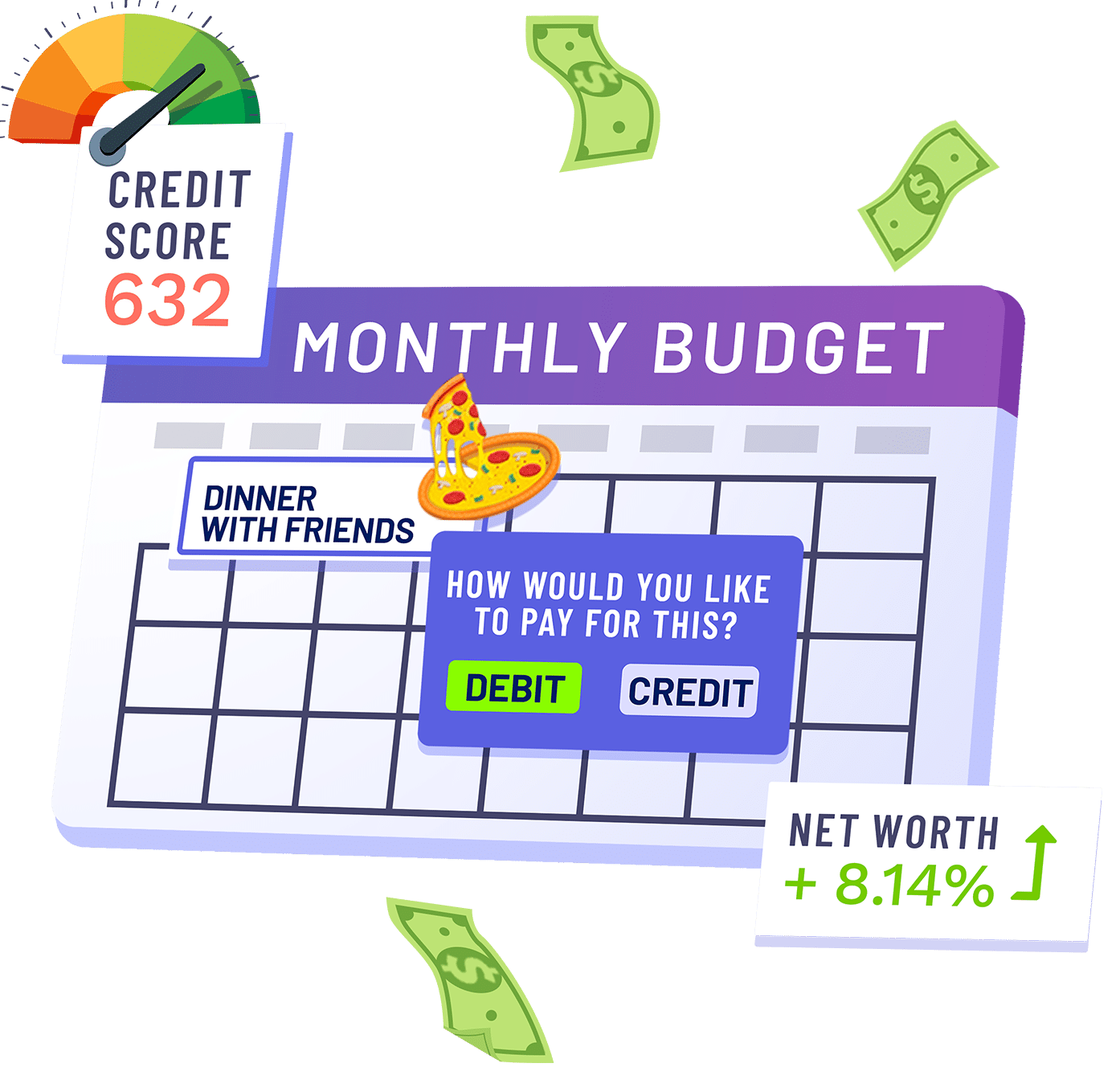
—
Why Our Brains Crave Games Over Books
There is a psychological reason why you can spend six hours grinding in an RPG but struggle to read a bank statement for six minutes. Games provide immediate feedback. When you make a bad investment in a simulation, you see your “net worth” drop instantly. You feel the sting of the loss, but because it’s virtual, the “game over” screen is just a lesson, not a financial catastrophe.
This “learning by doing” is what educators call experiential learning. Instead of memorizing the definition of an “asset,” you’re tasked with buying property in a game and watching it generate passive income. You see the mechanics of wealth building in real-time. This hands-on approach builds financial intuition, which is much more valuable than just rote memorization.
—
Breaking Down the Best Financial Games Out There
1. The Classics Reimagined: Cashflow 101
If you’ve ever read Rich Dad Poor Dad, you’ve probably heard of Robert Kiyosaki’s game, Cashflow. While there is a physical board game version, the digital versions are fantastic for teaching the difference between an income statement and a balance sheet.
The goal is simple: get out of the “Rat Race.” You start with a profession (like a janitor or a doctor) and a pile of debt. Every turn, you have to decide whether to spend your money on “doodads” (liabilities) or investments (assets). It’s one of the best tools for visualizing how small, consistent investments eventually lead to financial freedom.
2. The High-Stakes Thrill: Stock Market Simulators
For many people, the stock market feels like a giant, scary casino. Games like Investopedia’s Stock Simulator or MarketWatch’s Virtual Stock Exchange strip away that fear. They give you a virtual balance—usually $100,000—and let you trade real-time stocks.
These games are addictive because they use real market data. If Apple’s stock drops in real life, it drops in your game. It teaches you how to research companies, understand market volatility, and, most importantly, how to keep your emotions in check when the market gets “bloody.”
3. Strategy and Survival: Spent
If you want a reality check on the challenges of low-income living, Spent is a must-play. It’s a browser-based survival game where you start with $1,000 and have to make it through one month. Every day, the game throws a curveball at you: your car breaks down, your kid needs a field trip fee, or you get a medical bill.
It’s a powerful lesson in budgeting and the importance of an emergency fund. It’s less about “getting rich” and more about understanding the fragile nature of financial stability for millions of people.
—
The Hidden Lessons You Learn While Playing
Risk Management Without the Panic
In the real world, losing $5,000 on a bad crypto trade can be devastating. In a game, it’s a “lightbulb moment.” Educational games allow you to test high-risk strategies to see why they usually fail. You learn that “get rich quick” schemes in games almost always lead to bankruptcy, which makes you much more cautious when you see similar “opportunities” on your social media feed.
The Magic of Compound Interest
We’ve all heard that compound interest is the eighth wonder of the world, but seeing it happen in an accelerated game environment is different. Many financial games allow you to “fast forward” through years of simulated time. Seeing your wealth grow exponentially in the final “years” of a game reinforces the habit of starting to save early in real life.
Understanding Opportunity Cost
Every dollar you spend in a game on a virtual luxury item is a dollar that isn’t earning interest. This is the concept of opportunity cost. Games make this tradeoff visible. When you choose to buy the “luxury yacht” in a simulation and then realize you don’t have enough capital to buy a discounted business later, that lesson sticks with you the next time you’re tempted by a real-life impulse buy.
—
How to Integrate These Games into Your Life
You don’t need to be a “gamer” to benefit from these tools. If you’re a parent, playing these games with your kids is a great way to start conversations about money that don’t feel like a lecture. If you’re an adult looking to sharpen your skills, try setting aside 30 minutes a week to engage with a simulator.
The trick is to treat the game seriously. Try to make decisions as if it were your real money on the line. Analyze your mistakes. Did you take on too much debt? Did you forget to diversify? The more you reflect on your “virtual” failures, the less likely you are to repeat them in your bank account.
—
The Future of Financial Literacy: Gamification Everywhere
We are seeing a massive shift in how financial institutions interact with us. Apps like Acorns or Robinhood use “gamified” elements—progress bars, streaks, and colorful interfaces—to encourage saving and investing. While you have to be careful not to treat real investing like a casual game, the psychological triggers that make games engaging are being used to help us build better habits.
Education is moving away from the classroom and into our pockets. By leveraging the power of play, we can bridge the gap between “knowing” what to do with money and actually “doing” it.
—
Conclusion
Financial literacy is the foundation of a low-stress life, but the path to getting there shouldn’t be paved with boredom. Educational games offer a sandbox where you can fail safely, learn quickly, and build the confidence needed to handle real-world assets. Whether you’re navigating a stock simulator or trying to survive a month in a budgeting game, you’re building neural pathways that favor long-term thinking over short-term gratification. So, grab a controller or open a browser tab—your future self’s bank account will thank you for it.
—
Frequently Asked Questions
Are these games actually accurate to real-world markets?
While most stock market simulators use real-time data from the NYSE or NASDAQ, they often don’t account for “slippage” or the psychological pressure of losing real money. They are excellent for learning mechanics and strategy, but real-world trading involves emotional factors that a game can’t perfectly replicate.
Can kids play these games, or are they too complex?
There are financial games designed for every age group! Games like Animal Crossing teach basic debt repayment and commodity trading (the “Stalk Market”), while platforms like Roblox have various tycoon games that introduce basic business concepts. For teenagers, games like Cashflow or Spent are perfect.
Do I need a powerful computer to play educational financial games?
Not at all. Most of the best financial literacy tools are browser-based or available as simple mobile apps. As long as you have a stable internet connection and a basic smartphone or laptop, you can access the vast majority of these resources for free or a very low cost.
Can playing these games replace a financial advisor?
Games are great for building foundational knowledge and “money intuition,” but they don’t replace professional advice tailored to your specific tax situation, legal needs, or long-term retirement planning. Think of games as the “practice field” and an advisor as the “head coach.”
Are there any free financial games that are actually good?
Yes! Many non-profits and educational organizations offer high-quality games for free. Spent is free, Investopedia’s Simulator is free, and the Financial Football game (created by Visa) is a popular free resource used in schools to teach budgeting and saving.