


Why Social Skills Matter More Than Ever
Before we dive into the games, let’s talk about the “why.” Social-Emotional Learning (SEL) is the backbone of success in almost every area of life. Whether it’s negotiating a promotion or just figuring out how to share a controller, these skills—empathy, active listening, conflict resolution, and self-awareness—are the engine.
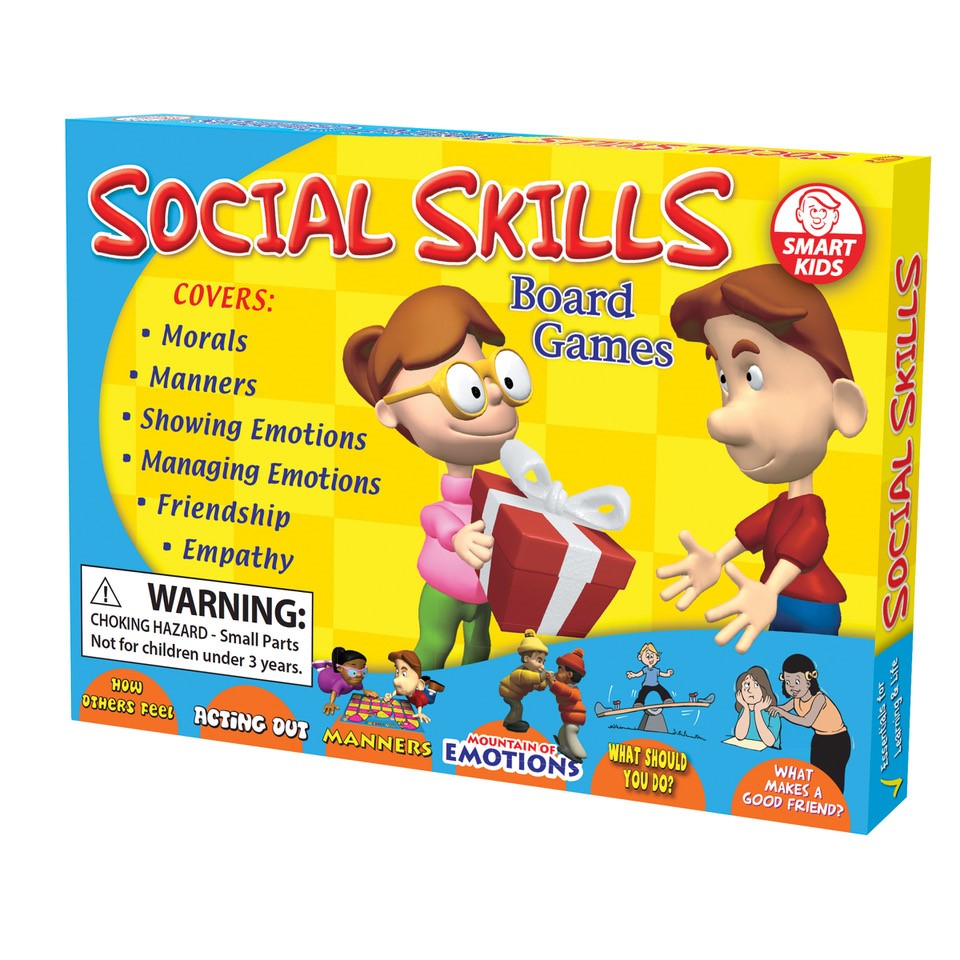
Traditional classroom settings are great for learning math, but they don’t always provide the “trial and error” needed for social growth. Games fill that gap. They provide immediate feedback. If you’re bossy in a cooperative game, the team loses. If you don’t listen to your partner, the mission fails. It’s a natural consequence system that teaches better than any lecture could.
The Power of Cooperative Gaming
Most people think of gaming as a competitive “me vs. you” scenario. However, some of the best educational tools for social development are cooperative. In these games, players have to work together to achieve a common goal. This shifts the focus from winning at someone else’s expense to winning with them.
Minecraft: The Ultimate Social Sandbox
You can’t talk about educational gaming without mentioning Minecraft. While it looks like a simple block-building game, it’s actually a complex social ecosystem. When kids play on a shared server, they have to navigate “digital citizenship.”
Collaborative Project Planning
If a group of students decides to build a city, they can’t just start placing blocks randomly. They have to talk. Who is building the houses? Who is gathering resources? This requires delegation and leadership skills.
Negotiating Boundaries and Griefing
In Minecraft, “griefing” (destroying someone else’s work) is a huge social taboo. Navigating the aftermath of a broken rule in a game helps kids learn about boundaries, apologies, and restorative justice without the high stakes of real-world property damage.
Role-Playing Games and Empathy
Role-playing games (RPGs), ranging from tabletop classics like Dungeons & Dragons to digital adventures, are incredible for developing empathy. By stepping into someone else’s shoes—quite literally—players begin to understand different perspectives.
Understanding Diverse Perspectives
When a player takes on the role of a character with different strengths or weaknesses than their own, they have to think about how that character would react to a situation. This “theory of mind” is a foundational social skill.
Safe Space for Social Risk-Taking
For kids who struggle with social anxiety, an RPG provides a mask. It’s easier to practice being assertive or making a joke when you’re doing it as “Grog the Barbarian” rather than yourself. This confidence often bleeds over into real-life interactions.
Digital Apps Designed for Social-Emotional Learning
Beyond the big-name titles, there is a growing market of “Serious Games” specifically designed by educators and psychologists to target social milestones.
Wisdom: The World of Emotions
This app is a fantastic example of using gameplay to teach emotional regulation. It helps younger children identify physical cues of anger or sadness and offers “superpowers” (breathing techniques and mindfulness) to manage them.
Peppy Pals
Peppy Pals focuses on animal characters navigating social dilemmas. It’s designed to spark conversations between parents and children about what a character should do next, fostering a deeper understanding of kindness and inclusivity.
Board Games Aren’t Dead: The Original Social Network
While digital games are powerful, physical board games offer the unique challenge of face-to-face interaction. You have to look someone in the eye, read their body language, and manage your physical reactions in real-time.
Pandemic: A Lesson in Teamwork
In the board game Pandemic, players work as a team of scientists to stop a global outbreak. If one person tries to “alpha-dog” the conversation and ignore others, the game usually ends in a loss. It’s a masterclass in the importance of every voice at the table.
Codenames: The Art of Shared Meaning
Codenames requires players to give one-word clues to help their team find specific cards. To be successful, you have to understand how your teammates think. Do they associate “Apple” with “Computer” or “Fruit”? It’s all about tuning into the mental frequency of others.
How to Implement Educational Games Effectively
Simply handing a kid a tablet isn’t enough. To make games truly educational for social skills, there needs to be a level of intentionality.
The Role of the Facilitator
Teachers and parents shouldn’t just be spectators. By asking “debrief” questions after a game—like “How did it feel when we almost lost?” or “What could we have said differently to help our teammate?”—the social lessons are solidified.
Setting Ground Rules
Before the game starts, set expectations for “good sportsmanship.” This includes how to handle a win (without gloating) and how to handle a loss (without a meltdown). These are the meta-skills that apply to every social interaction.
Overcoming the Stigma of “Screen Time”
It’s easy to get caught up in the “screen time is bad” narrative. However, quality matters more than quantity. An hour spent collaborating on a complex build in a game is often more socially enriching than an hour spent sitting silently in a room full of people. We need to start viewing these digital spaces as modern-day community centers.
Conclusion
Educational games offer a vibrant, engaging, and effective way to build the social muscles we all need. By providing a sandbox for teamwork, a stage for role-playing, and a mirror for emotional regulation, these tools prepare us for the complexities of the human experience. Whether it’s through a high-tech simulation or a simple deck of cards, the goal is the same: learning how to connect with one another more effectively.
—
Frequently Asked Questions
Can video games actually help kids with autism develop social skills?
Yes, many researchers find that games provide a predictable environment that feels “safer” for children on the spectrum. Digital games remove some of the overwhelming sensory input of face-to-face talk, allowing them to focus on the mechanics of social interaction, like turn-taking and recognizing emotional cues.
What is the best age to start using games for social-emotional learning?
Social-emotional games can start as early as age 3 or 4 with simple, cooperative physical games or basic apps. The key is to match the complexity of the social challenge—like sharing or identifying feelings—to the child’s developmental stage.
Are competitive games bad for social development?
Not at all. Competition teaches resilience and how to handle pressure. The trick is balance. Competitive games help kids learn how to be “good losers” and “humble winners,” which are essential social skills in their own right.
How can I tell if a game is actually “educational” for social skills?
Look for games that require communication, cooperation, or perspective-taking to succeed. If the game’s mechanics reward helping others or solving problems through dialogue, it likely has strong social-emotional benefits.
Do adults benefit from social skills games too?
Absolutely. Many corporate “team-building” exercises are essentially social skills games. Playing complex board games or cooperative digital games can help adults improve their communication, leadership, and stress management skills in a professional or personal context.
—