


We often think of “learning” and “playing” as two totally different worlds. One involves heavy textbooks and quiet classrooms, while the other is about high scores and laughter. But here’s the thing: for developing creativity, those two worlds actually need to collide.
Creativity isn’t just about being a great painter or a musician; it’s about problem-solving, thinking outside the box, and connecting dots that others don’t even see. Educational games—whether they are digital apps, tabletop board games, or classroom activities—provide a “safe space” for the brain to experiment without the fear of being “wrong.” When the pressure of a failing grade is replaced by the mechanics of a game, the mind starts to take risks. And risk-taking is the heartbeat of creative growth.
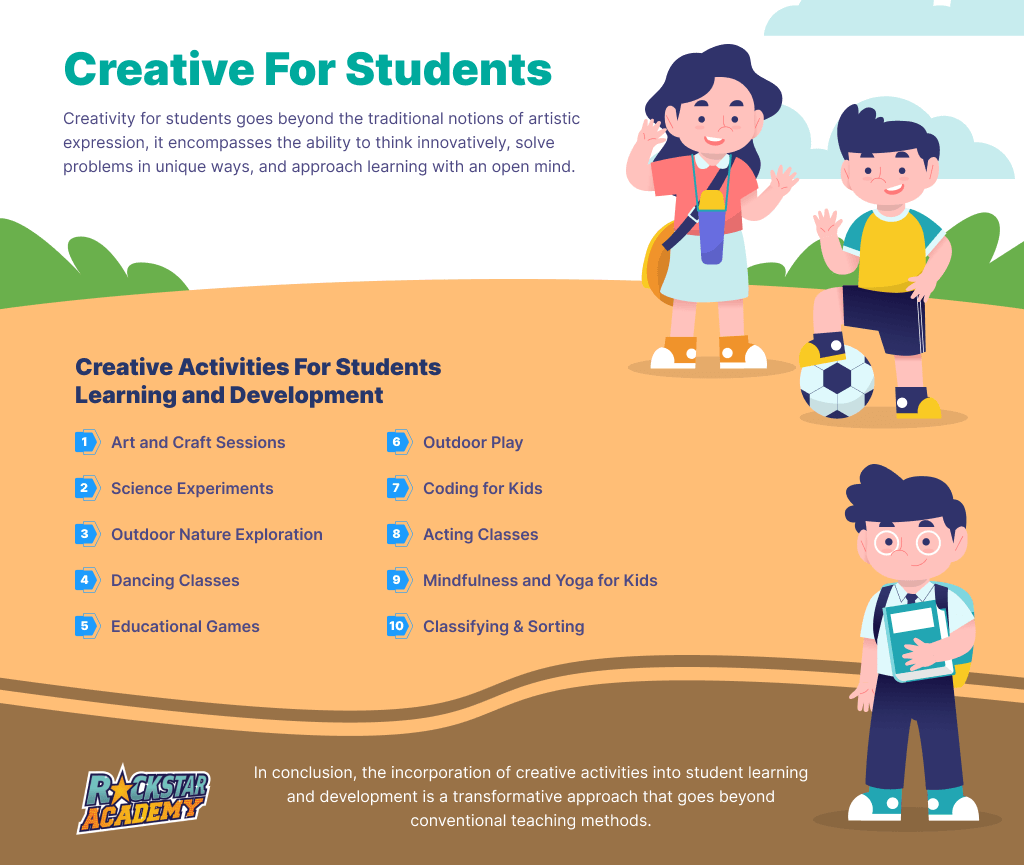
—
How Games Rewire the Creative Mind
When you’re immersed in a game, your brain enters a state of “flow.” This is that magical zone where you’re so focused that time seems to disappear. In this state, the prefrontal cortex—the part of your brain responsible for logical, linear thinking—relaxes just enough to let lateral thinking take over.
Most traditional education systems focus on convergent thinking (finding the one “correct” answer). Games, however, thrive on divergent thinking. You might have five different ways to get past a level or ten different ways to build a structure. By constantly asking “What if?” instead of “What is?”, games build the mental muscles needed for lifelong innovation.
Sandbox Games and Open-Ended Exploration
If you want to see creativity in its purest form, look at “sandbox” games. These are games that don’t necessarily have a “win” condition or a linear path. Think of titles like Minecraft or Roblox. In these environments, the player is the architect.
In a sandbox game, a student isn’t just a consumer; they are a creator. They have to manage resources, plan complex structures, and troubleshoot when their digital skyscraper falls down. This teaches spatial awareness and structural logic, but more importantly, it teaches them that they have the agency to change their environment. That sense of agency is exactly what a creative person needs to feel empowered in the real world.
Narrative-Driven Games and Empathy
Creativity is also deeply linked to empathy and storytelling. Role-playing games (RPGs) or narrative-driven adventures require players to step into the shoes of someone else. When a student plays a game where their choices affect the outcome of the story, they are practicing “narrative intelligence.”
Designing a character’s journey or making moral choices within a game’s plot forces the player to imagine different realities. This “perspective-shifting” is a massive boost for creative writing and social-emotional intelligence. It allows the learner to see the world through multiple lenses, which is a foundational skill for any creative professional, from novelists to UX designers.
Problem-Solving Under Pressure
Not all creativity is slow and meditative. Sometimes, creativity is about thinking fast when things go wrong. Strategy games—like Civilization or even complex card games—require players to adapt to changing circumstances.
When an opponent makes an unexpected move, the player can’t rely on a memorized script. They have to innovate on the fly. This type of “adaptive creativity” is vital in the modern workforce. Being able to pivot, re-evaluate a strategy, and find a new path forward is what separates a standard worker from a creative leader.
Gamifying the Classroom Experience
Teachers are increasingly using “gamification” to turn standard lessons into creative quests. Instead of a history lecture, students might participate in a mock trial or a simulated diplomatic negotiation.
By turning the curriculum into a game, educators tap into the “intrinsic motivation” of students. They aren’t studying because they have to; they’re searching for information because they need it to “level up” in the classroom activity. This shift from passive learning to active participation is where the creative spark usually catches fire.
The Role of Collaboration in Gaming
We often imagine the “creative genius” as a lone wolf, but the best ideas usually come from collaboration. Many modern educational games are multiplayer or team-based.
When students have to work together to solve a puzzle or build a world, they are learning how to negotiate, share ideas, and build upon the thoughts of others. This “collective creativity” is how the real world works. Whether it’s a tech startup or an ad agency, the ability to brainstorm and iterate with a team is a skill that games teach more effectively than almost any other medium.
Digital vs. Analog Creative Games
While video games get most of the attention, analog games like LEGO, Dungeons & Dragons, or even simple improvisational acting games are equally powerful.
Digital games offer high-speed feedback and complex simulations that would be impossible in real life. Analog games, on the other hand, often require more “mental heavy lifting” because the player has to imagine the visuals and the physics themselves. A healthy “creative diet” for a learner should probably include a mix of both. The digital tools provide the framework, while the analog tools provide the tactile, raw experience of creation.
Overcoming the Fear of Failure
One of the biggest hurdles to creativity is the fear of looking stupid or making a mistake. Games fix this by making failure part of the fun. In a game, “Game Over” isn’t a permanent mark on your record; it’s a prompt to try a different strategy.
This “fail forward” mentality is the hallmark of great innovators. When a student spends hours trying to beat a difficult level in a puzzle game, they are building resilience. They learn that failure is just data—information that tells them what not to do next time. Once a person loses their fear of failing, their creative output tends to skyrocket.
—
Conclusion
Educational games are far more than just a way to keep kids busy. They are sophisticated tools that can sharpen the mind, encourage risk-taking, and foster a deep sense of curiosity. By blending the engagement of play with the goals of learning, we can help the next generation develop the creative problem-solving skills they need to navigate an increasingly complex world. Whether it’s through building digital empires or solving collaborative puzzles, games prove that the best way to learn is to dive in and start playing.
—
Frequently Asked Questions
Can video games actually help with school subjects like math or science?
Absolutely. Many games use “stealth learning,” where mathematical logic or scientific principles (like gravity and friction) are baked into the gameplay. Players end up mastering these concepts because they need them to progress, making the learning feel natural rather than forced.
Are these games suitable for all age groups?
Yes! While the complexity changes, the core benefit remains the same. Toddlers can develop creativity through simple “touch and react” apps, while adults can use complex strategy or simulation games to keep their cognitive flexibility sharp.
How much screen time is too much for educational gaming?
Balance is key. While educational games are beneficial, they should be part of a varied routine that includes physical activity, social interaction, and “offline” creative hobbies. Most experts recommend setting specific time blocks rather than allowing unlimited play.
Do games help kids who struggle in traditional school settings?
Often, yes. Games provide a different type of feedback loop that can be more rewarding for students who find textbooks or lectures disengaging. The interactive nature of games allows these students to demonstrate intelligence and creativity in ways that standard tests might miss.
What should I look for when choosing a creative game?
Look for games that encourage “open-ended play.” If a game has only one way to win and follows a rigid path, it’s less likely to boost creativity. Seek out games that offer building tools, character customization, and multiple ways to solve problems.