


In this guide, we’re going to break down how these games work, why they are better than just “staring at notes,” and which ones you should actually spend your time on.
—
Why Playing Games is Actually Great for Your Brain
For a long time, people thought that the brain you were born with was the brain you were stuck with. Luckily, science has proven that isn’t true. Thanks to a concept called neuroplasticity, our brains are capable of forming new neural connections throughout our entire lives.
Educational games act like a gym for your gray matter. When you play a game that challenges your recall, you aren’t just “playing”; you are strengthening the pathways that help you store and retrieve information. It’s about more than just high scores; it’s about building a more resilient mind.
Memory Games and Spatial Awareness
One of the most common types of memory is spatial memory. This is what helps you remember your way around a new city or where you left your wallet. Games that involve 3D navigation or pattern recognition are fantastic for this.
Logic Puzzles and Pattern Recognition
Games like Sudoku or complex jigsaw puzzles require you to hold multiple pieces of information in your “working memory” at once. You have to remember that a “4” cannot go in this column while simultaneously scanning the row for a “9.” This constant juggling of data points is exactly what strengthens your short-term recall.
Digital Brain Trainers: Do They Really Work?
You’ve probably seen ads for apps like Lumosity or Elevate. The big question is: do they actually make you smarter, or do they just make you better at the app?
The consensus among many researchers is that while these apps might not raise your IQ overnight, they definitely help with “processing speed” and “attention to detail.” By forcing you to make quick decisions under pressure, you’re training your brain to filter out distractions—a key component of memory.
The Power of Dual N-Back Games
If you want to get serious, look into “Dual N-Back” games. These are widely considered the “heavy lifting” of brain training. You are shown a sequence of visual and auditory stimuli and have to identify when the current stimulus matches one from $n$ steps earlier. It’s frustrating at first, but it’s one of the few game types scientifically linked to an increase in fluid intelligence.
Classic Card Games for Memory Improvement
You don’t need a high-end smartphone to train your brain. Sometimes, a simple deck of cards is your best tool.
The Classic Concentration Game
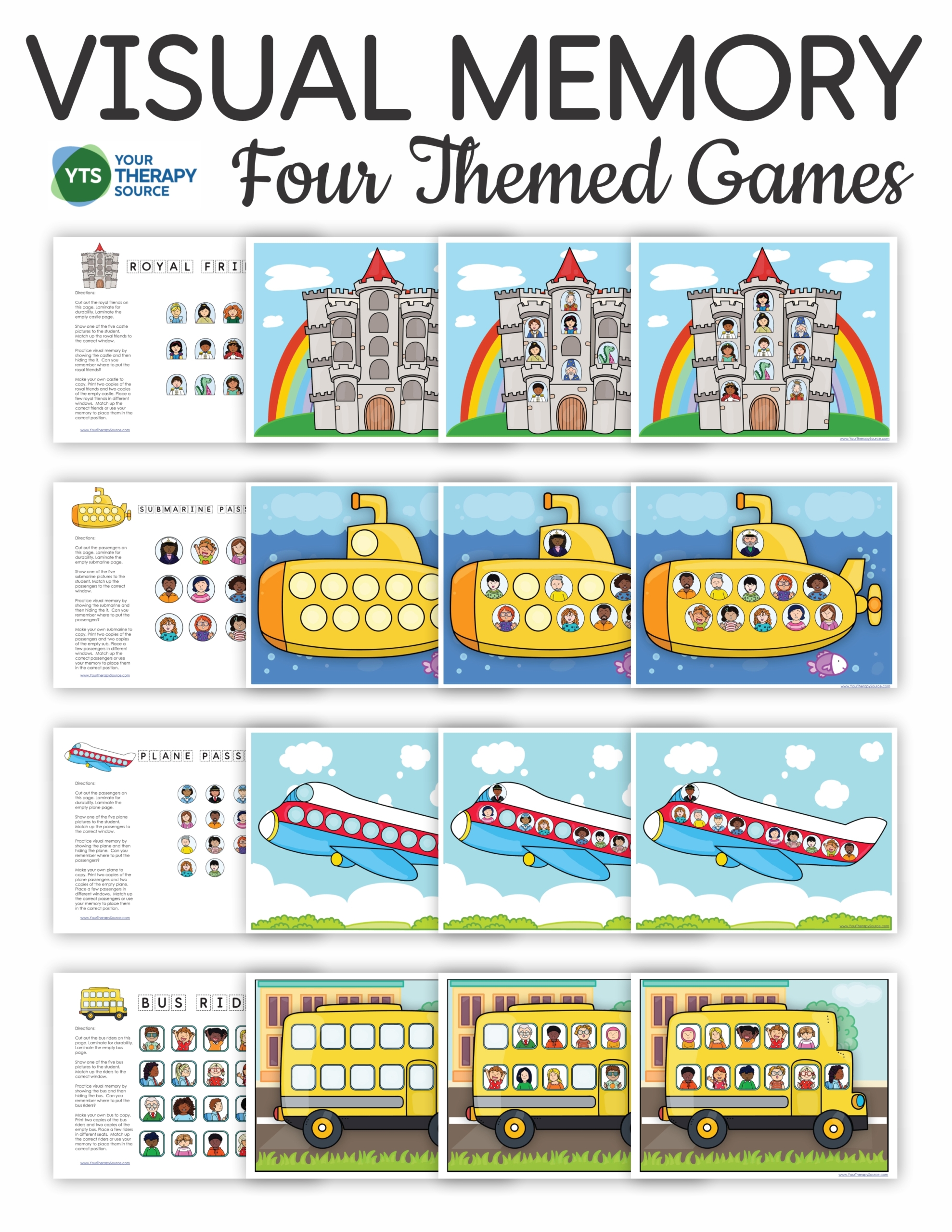
We’ve all played “Memory” or “Concentration” as kids—flipping over two cards to find a match. While it seems simple, it’s a pure test of visual-spatial memory. For adults, you can level this up by using two decks or by adding rules (like only matching cards of the same suit and color).
Bridge and Strategy-Based Card Games
Games like Bridge or even Poker require a massive amount of memory. You have to remember which cards have been played, calculate odds on the fly, and read your opponents. This keeps your brain in a state of “active engagement,” which is the opposite of the “passive consumption” we usually do when scrolling through social media.
Video Games and Cognitive Flexibility
Action video games often get a bad rap, but they can actually be incredible for your brain. Strategy games (like Civilization or StarCraft) require you to manage vast amounts of data, remember long-term goals, and react to immediate threats.
Role-Playing Games (RPGs) and Narrative Memory
RPGs are excellent for narrative memory. You have to remember character names, plot points, and complex quest lines. This type of “story-based memory” is a great way to practice how we remember things in real life, like conversations with friends or details from a book.
Word Games for Verbal Memory
If you find yourself with a word on the tip of your tongue but can’t quite grab it, you might need to work on your verbal memory.
Crossword Puzzles and Vocabulary
Crosswords are the gold standard here. They force you to retrieve “latent knowledge”—things you know but haven’t thought about in a while. This strengthens the retrieval paths in your brain, making it easier to find words in daily conversation.
Scrabble and Anagrams
Scrabble isn’t just about knowing big words; it’s about spatial arrangement and planning. You have to remember which letters have been played and keep track of potential “hooks” on the board. This combines verbal memory with strategic thinking.
How to Make Brain Gaming a Habit
The key to seeing results isn’t playing for five hours once a month. It’s about consistency.
The 15-Minute Rule
You only need about 15 to 20 minutes a day to see a benefit. The goal is to reach a state of “flow” where you are challenged but not overwhelmed. If a game becomes too easy, your brain goes on autopilot, and the “workout” ends. Always look for games that scale in difficulty.
Mix It Up
Don’t just stick to one type of game. If you only do Sudoku, you’ll get really good at Sudoku, but you might not see that carry over into other areas of your life. Rotate between word games, logic puzzles, and action-based strategy games to give your entire brain a workout.
—
Conclusion
At the end of the day, memory improvement shouldn’t be a chore. By integrating educational games into your daily routine, you’re giving your brain the stimulation it craves. Whether you’re matching cards, solving a crossword, or managing a digital empire, you’re building a stronger, faster, and more reliable mind. So, put down the mindless scroll and pick up a puzzle—your future self will thank you for it.
—
FAQs
Can games really prevent memory loss as I age?
While games aren’t a “cure” for cognitive decline, they are a significant part of a “brain-healthy” lifestyle. Keeping your mind active through gaming can help build a “cognitive reserve,” which may delay the symptoms of age-related memory loss.
Is it better to play games alone or with others?
Both have benefits! Solo games help with focus and individual problem-solving, but social games (like board games or team-based video games) add a layer of social interaction, which is also proven to be vital for long-term brain health.
How long does it take to see improvements in memory?
Most people start to feel “sharper” within a few weeks of consistent play. You might notice you’re better at remembering grocery lists or following complex instructions at work.
Are “Brain Training” apps better than traditional puzzles?
Not necessarily. Apps are convenient and track your data, but a physical crossword or a game of Chess provides similar cognitive benefits. The best game is the one you actually enjoy and will play consistently.
Can children benefit from these memory games too?
Absolutely! In children, these games help develop foundational executive functions like working memory, impulse control, and mental flexibility, which are crucial for academic success.