


Whether you are a student, a lifelong learner, or a parent, using games to expand your lexicon is one of the most efficient SEO-friendly ways to grow your brainpower. Let’s dive into the best educational games for vocabulary building and why they actually work.
—
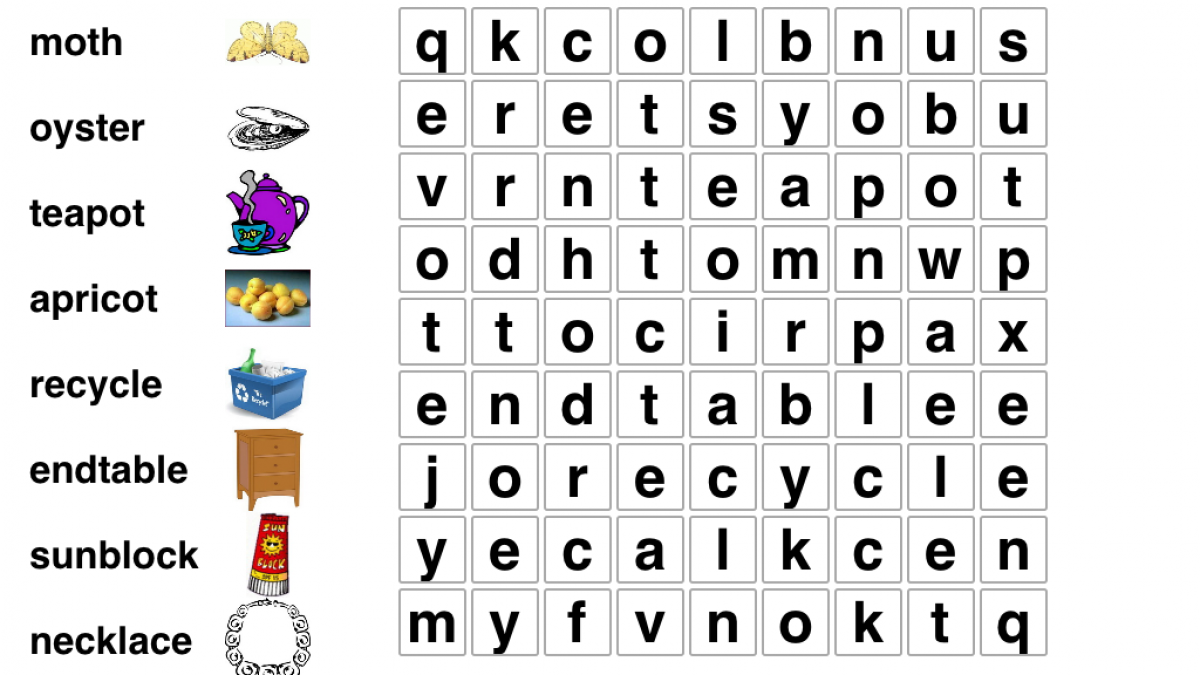
Why Games Beat Flashcards Every Single Time
We’ve all been there: staring at a stack of flashcards until the words start to blur together. While rote memorization has its place, it lacks context. Games provide a “hook” for your memory. When you use a word to win a round of a board game or solve a digital puzzle, your brain associates that word with an emotion (triumph!) and a specific situation. This makes it way easier to pull that word out of your mental filing cabinet during a real-life conversation.
Classic Board Games That Never Go Out Of Style
You don’t need a high-speed internet connection to get smarter. Some of the best vocabulary builders have been sitting in your dusty hallway closet for decades.
Scrabble The Undisputed King of Words
Scrabble is the heavyweight champion for a reason. It forces you to look at your limited resources (your tiles) and find the most complex way to arrange them. It’s not just about knowing the words; it’s about understanding how prefixes and suffixes work to maximize your points. If you want to get really good, you’ll naturally start learning obscure two-letter words and “Q” words that don’t require a “U,” which significantly expands your linguistic range.
Boggle Under Pressure
If Scrabble is a marathon, Boggle is a sprint. You have three minutes to find as many words as possible in a 4×4 grid. This game is incredible for pattern recognition. You start seeing how common letter combinations like “-tion” or “str-” cluster together. It trains your brain to scan text faster and recognize word roots on the fly.
Taboo The Art of Circumlocution
Taboo is a hidden gem for vocabulary. In this game, you have to get your team to guess a word without using the “taboo” words listed on the card. For example, if you need them to guess “Sun,” you might not be allowed to say “Yellow,” “Hot,” “Sky,” or “Star.” This forces you to use synonyms and descriptive language you wouldn’t normally use, which is the definition of building a flexible vocabulary.
Digital Games You Can Play On Your Phone
Since we usually have our phones glued to our hands anyway, we might as well use them to get a little bit sharper. The App Store is packed with word games, but a few stand out for their educational value.
Wordle The Daily Viral Sensation
Wordle took the world by storm because it’s simple, social, and short. By guessing a five-letter word in six tries, you’re constantly testing your knowledge of English phonics and letter frequency. It’s a great way to kickstart your brain in the morning and get you thinking about word structures before you even have your first cup of coffee.
Words With Friends Social Learning
Similar to Scrabble but built for the mobile age, Words With Friends allows you to play against people all over the world. The social aspect is key here. When an opponent drops a word you’ve never heard of, you can look it up immediately. It’s a passive way to pick up new terminology while staying connected with your buddies.
7 Little Words A Different Kind of Puzzle
This game gives you seven definitions and a bunch of letter clusters. You have to combine the clusters to find the words that match the definitions. It’s fantastic because it focuses heavily on definitions rather than just spelling. It bridges the gap between “I’ve seen that word before” and “I actually know what that word means.”
Free Rice The Game That Gives Back
If you want to feel good while getting smarter, FreeRice.com is the place to be. It’s a simple multiple-choice vocabulary game run by the United Nations World Food Programme. For every correct answer you get, they donate 10 grains of rice to families in need. The difficulty scales with you; the better you get, the harder the words become. It covers everything from basic English to high-level academic terminology.
How to Make Vocabulary Building a Habit
Playing a game once every three months won’t turn you into a linguistic genius. To see real SEO-level growth in your personal “internal database,” you need consistency.
Set a Daily Challenge
Dedicate 10 minutes a day to a word game. Whether it’s the New York Times Crossword or a quick round of Wordle, that daily engagement keeps your brain “sticky” for new information.
Use New Words in Conversation
The “Learn it, Use it, Keep it” rule is real. If you learn a cool new word like “mellifluous” while playing a game, try to use it in a text message or a conversation within 24 hours. Once you use it in a real-world context, it’s yours forever.
Read Along With Your Games
Many modern word games have a “dictionary” feature built-in. Don’t just skip past a word you guessed correctly by accident. Tap the definition! Taking five seconds to read the meaning and the origin of the word (etymology) helps lock it into your long-term memory.
The Role of Context in Vocabulary Acquisition
One of the reasons games work so well is that they provide a framework. When you’re playing a mystery-themed word game, you’re learning “detective” vocabulary like surveillance, alibi, or clandestine. This thematic learning is much more effective than learning a random list of words starting with the letter “C.” Your brain likes categories, and games provide them naturally.
—
Conclusion
Building a better vocabulary doesn’t have to be a grueling process of staring at textbooks. By integrating games like Scrabble, Wordle, and Taboo into your routine, you turn education into entertainment. These tools challenge your pattern recognition, force you to think about synonyms, and provide the context necessary for long-term retention. Whether you’re playing on a cardboard map or a glass screen, the result is the same: a sharper mind and a more powerful way to express yourself. So, the next time you feel guilty about “wasting time” on a puzzle, remember that you’re actually sharpening your greatest tool—your language.
—
Frequently Asked Questions
Can playing word games actually prevent cognitive decline?
While games aren’t a magic cure, many studies suggest that keeping the brain active through puzzles and language challenges can help build cognitive reserve. This may help delay the symptoms of age-related memory loss by keeping neural pathways engaged and active.
What is the best word game for children?
For younger kids, games like “Zingo” or “Apples to Apples Junior” are fantastic. They focus on word-image association and basic parts of speech, making the learning process feel like a party rather than a lesson.
Are there any games that help with learning a second language?
Absolutely! Games like “Influent” or “Duolingo Tinycards” are designed specifically for language learners. Even playing classic games like Scrabble in your “target language” is a pro-level move to increase fluency and vocabulary depth.
Do I need to be a “math person” to be good at Scrabble?
Not at all. While Scrabble involves some basic addition and strategy regarding “double-word scores,” the core of the game is linguistic. If you have a strong grasp of prefixes, suffixes, and vowel patterns, you can beat a math whiz any day.
Is Wordle better for vocabulary than a traditional crossword?
They test different skills. Wordle is great for “phonics” and letter placement strategy. Crosswords are better for “definitions” and general knowledge. For the best results, it’s a good idea to mix both into your weekly routine.